Heat Pump Installation in Aurora, OH: Pros and Cons in Ohio Winters (What to Expect)
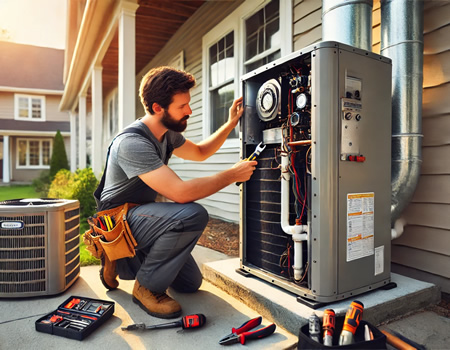
Thinking about heat pump installation in Aurora, OH? You are not alone. Homeowners from Barrington to Aurora Shores want reliable heat that can also cool in summer. This guide lays out the real-world pros and cons of heat pumps in Ohio winters, so you can decide if now is the right time to book our heat pump installation service with HandyDan Home Services.
We keep this simple, local, and honest. Winters here bring lake-effect snow, sharp wind, and long stretches in the 20s. Heat pumps can still shine, but they work differently when the temperature drops. Below is what you should know before you choose a system and schedule your install with 330-931-8630.
Why Heat Pumps Matter In Aurora’s Climate
Heat pumps move heat instead of making it. That is why they are efficient in spring and fall, and still useful in winter. In Aurora, January lows often dip below freezing for days at a time. Performance depends on the model, the setup, and whether you pair the system with smart backup heat.
Homes near Geauga Lake and along the SR-43 corridor can face strong wind that increases heat loss. Older homes with less insulation may feel a bigger difference on single-digit nights. Newer variable-speed, cold-climate heat pumps stay comfortable longer in cold spells, then hand off to backup heat only when needed.
Pros Of Heat Pumps In Ohio Winters
- Efficient heating most days: When temperatures hover in the 30s and 40s, heat pumps deliver steady heat using less energy than many traditional systems.
- All-in-one comfort: One system heats in winter and cools in summer. You get simpler upkeep and consistent comfort year-round.
- Even temperatures: Variable-speed compressors help reduce hot-and-cold swings that some furnaces create.
- Cleaner operation: No on-site combustion when the heat pump is running. That means fewer combustion-related safety concerns.
Many families in downtown Aurora and the Walden area appreciate the quieter operation. You will notice a gentle flow of warm air rather than short blasts. On moderate winter days, this comfort profile feels great.
Cons And Tradeoffs In Cold Weather
- Lower output in deep cold: As outdoor temperatures fall, heat pumps move less heat per hour. Backup heat covers the difference.
- Possible frost and defrost cycles: Outdoor units may frost during cold, damp weather. Modern systems manage this automatically but you may hear brief changes in sound.
- Electrical capacity: Some homes need electrical panel upgrades to support newer equipment and backup stages.
- Filter and airflow sensitivity: Restricted airflow can reduce performance. Professional maintenance helps keep things steady.
Plan for backup heat from day one. When set up right, you will barely notice the handoff on the coldest days. The goal is seamless comfort without overpaying for fuel or electricity.
Cold-Weather Performance: What You Will Actually Feel
Picture a week in late January. Daytime highs hang around the upper 20s. Nights dip into the teens. A modern heat pump will run longer cycles, keeping rooms steady without the peaks and valleys of a traditional furnace alone.
You might notice the outdoor unit running while snow falls. That is normal. If light frost appears on the coil, the system will defrost itself for a few minutes. Keep the outdoor unit’s airflow area clear of snow and drift so the system can breathe. A professional tune helps confirm the defrost settings match our local weather patterns.
Backup Heat Options For Aurora Homes
There are several ways to handle the coldest hours:
Dual-fuel (hybrid): Pair a heat pump with a high-efficiency gas furnace. The heat pump works most of the season. The furnace kicks on when temperatures get very low. This setup fits many homes in the Barrington and Aurora Highlands areas that already have gas service.
Electric supplemental heat: Add staged electric heat strips inside the air handler. This option works well where gas is not available. It is straightforward and can be sized to your home’s needs.
Smart controls: The thermostat and system controls decide when to switch, based on outdoor temperature and demand. A proper balance point keeps operation smooth and avoids short cycling.
With the right controls, backups act like seat belts. You do not use them every minute, but you are grateful they are there when the road gets slick.
Energy Savings: Realistic Expectations In Ohio
Energy savings come from using the heat pump during the long stretches of cool weather when it is most efficient. You still get comfort during polar dips by letting backup heat take a small share of the load. The result is a blended, year-round plan that favors savings without risking chilly rooms.
Homes near Aurora Shores with open exposures see more wind and heat loss than sheltered homes off Treat Road. Insulation, windows, and duct sealing matter. Small building upgrades often unlock bigger savings than changing equipment alone. During an in-home assessment, we look at these details so your savings match your expectations.
Equipment Choices That Thrive In Aurora
Cold-climate rated models keep capacity higher at lower outdoor temperatures. Variable-speed compressors and wide operating ranges keep comfort steady through long winter nights. Look for features like low-ambient performance, quiet defrost, and smart integration with your chosen backup heat.
For multi-level homes off Pioneer Trail, zoning can improve upstairs comfort. For ranch homes near Chamberlain Road, a single properly sized system may be the better approach. The right match is about layout, insulation, and how your family uses the space.
Installation Details That Make Or Break Comfort
Good installation is not just about setting equipment on a pad. It includes careful sizing, proper refrigerant charge, airtight duct connections, and weather-aware placement of the outdoor unit. That is how you reduce noise, improve defrost performance, and keep efficiency high.
Electrical and refrigerant work should always be completed by qualified, licensed professionals. Many municipalities require permits and inspections for new systems, and details vary by home and season. HandyDan Home Services coordinates the steps so you stay informed without juggling paperwork.
If you want a deeper look at related solutions, browse our full HVAC services. We can compare options during your estimate and help you pick the setup that fits your home and comfort goals.
How It Feels Room-By-Room In Winter
In living areas, expect longer, quieter heat cycles that keep temperatures even. Bedrooms often feel more comfortable because the system avoids big swings. Kitchens and rooms with tile floors warm steadily rather than in bursts.
Basements and bonus rooms over garages can be tricky because of insulation and airflow. A quick airflow check and supply adjustments during installation help these spaces keep up. When backup heat is staged correctly, the entire home glides through cold snaps without drama.
Maintenance You Can Expect From A Pro
Plan on seasonal professional service to keep your system reliable. A maintenance visit includes checking electrical connections, refrigerant levels, defrost operation, drain lines, and airflow. Filters are sized and scheduled to your home’s needs, especially helpful during peak pollen in spring and leaf debris in fall.
Regular service reduces surprise breakdowns on the kind of icy morning we get every February. It also keeps efficiency closer to factory levels, which protects your energy savings over time.
Costs You Can Control Without Cutting Corners
Upfront costs vary by home size, layout, electrical capacity, insulation, and chosen features. We review these factors at your estimate and give you clear options. Long-term costs are shaped by energy rates and how often backup heat runs. Fine-tuning your balance point and staging helps control those costs without sacrificing comfort.
If you prefer to compare heat pump families and related services, you can explore all services and see how everything works together through one provider. This keeps maintenance and future upgrades simple.
Local Insight: Aurora, OH Home Styles And Settings
Many Aurora homes blend open living areas with large windows that look great but can lose heat on windy nights. Window treatments, air sealing, and correct duct sizing help the heat pump do its best work. Split-level floor plans common around the Geauga Lake area may need careful supply and return placement to keep temperatures consistent upstairs and downstairs.
Neighborhoods like Barrington and Walden often include finished basements and tall great rooms. These spaces benefit from variable-speed systems that can gently ramp up airflow rather than blast. That smoother delivery helps reduce drafts and keeps the whole home comfortable even when the outside air stings.
When Heat Pump Installation Is The Right Move
Choose a heat pump if your goal is year-round comfort with balanced winter performance, especially if you plan to stay in your home and value lower energy use most days of the year. Add dual-fuel or staged electric backup so your system handles the handful of nights when the temperature dives. Proper setup is what makes the difference between “fine” and “fantastic” in our Portage County winters.
If you want to learn more about models, sizing, and timelines, start with our heat pump installation service. We will help you select the right capacity, configure backup heat, and plan a clean install that respects your home.
Is Heat Pump Installation Right For Your Aurora, OH Home?
Here is a quick way to think about it:
- You want reliable heat through Ohio winters without big temperature swings.
- You like the idea of one system that heats and cools with strong efficiency most days.
- You are open to a hybrid plan that uses smart backup heat on the very coldest nights.
If that sounds like your plan, it is time to take the next step. Many homeowners look up heat pump installation in Aurora, OH and then call for an in-home assessment. With HandyDan Home Services, you get a clear design, a tidy installation, and ongoing service support from people who live and work near you.
Talk With A Local Pro You Can Trust
Ready to compare options or schedule a visit? Call 330-931-8630 and we will line up a convenient time. If you prefer to browse before we come out, our HVAC services page shows related solutions we can tailor to your home.
Your comfort is not a guess. It is a plan built around your house, our winters, and your goals. When you are ready, use the link below to schedule with HandyDan Home Services and get a system that feels right from the first cold snap to the first warm day of spring.
Schedule your heat pump installation or call 330-931-8630 to get started today.
Your One-Stop Shop for Home Improvement in Aurora, OH! Contact Your Local Handyman Today!