How to Spot a Hidden Plumbing Leak Before It Becomes Water Damage | Plumbing Repairs in Aurora, OH
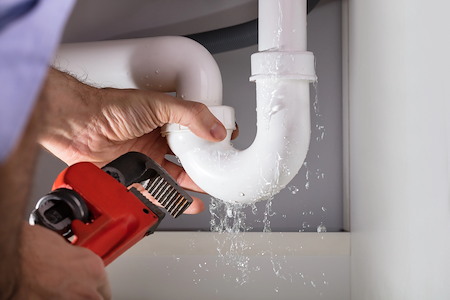
Hidden leaks often start small, then snowball into warped floors, stained ceilings, and mold. If you live in Aurora, OH, the freeze–thaw cycle and older supply lines can make problems surface fast. This guide explains what to watch for, where leaks like to hide, and how a pro confirms what your eyes cannot see. When you’re ready to stop the drip for good, schedule plumbing repairs with a trusted local team like HandyDan Home Services.
Why Hidden Leaks Happen In Aurora Homes
Aurora winters are cold and damp. Pipes that run through unheated areas can contract in January, then expand in spring. Over time, tiny joints loosen and fittings weep. Finished basements, second-floor baths, and laundry rooms above living spaces make it harder to notice early damage.
In neighborhoods with mature homes and remodels, different generations of piping meet behind the walls. That mix creates weak points at fittings, shutoff valves, and old caulk lines. Add daily vibration from washers or garbage disposals, and a slow drip can begin without a sound.
Early Warning Signs You Should Not Ignore
Hidden plumbing issues rarely start with a gush. They whisper. Here are signals many Aurora homeowners notice first:
- a musty smell is a red flag in a closed room, closet, or cabinet that was dry before
- new bubbles, peeling, or soft spots in paint or drywall, especially near tubs and sinks
- warm or damp flooring patches above crawlspaces or slab areas
- baseboards that swell, separate, or darken at the bottom edge
- quiet ticking or hissing behind a wall when fixtures are off
- an unexplained drop in water pressure or brief bursts of air at faucets
If you spot two or more of these at once, take it seriously. Act fast if you spot a stain because moisture can spread sideways along framing, making the source seem farther away than it is.
Common Ceiling Stain Causes Explained
Ceiling marks can be mysterious. Understanding typical ceiling stain causes helps your technician focus inspection where it matters:
- leaking tub or shower drains above a kitchen or family room
- loose toilet wax rings that seep with every flush
- supply line pinholes that spray a fine mist inside the joist bay
- sweating cold-water lines during humid summer days
- failed caulk around shower surrounds and tile corners
- condensation from uninsulated vent lines in cool spaces
Roof leaks can also stain ceilings, but plumbing stains often appear below bathrooms, laundry rooms, or wet bars. A trained pro will distinguish the pattern, moisture content, and temperature to zero in on the source.
Where Hidden Leaks Like To Hide
Patterns in Aurora homes point to a few hot spots. Upstairs baths over kitchens lead the list. Next are dishwashers and refrigerator water lines that run through tight cabinets. Laundry hookups share walls with common areas, and older hose bibs can leak inside the wall cavity.
Basements and crawlspaces are another favorite. A slow drip at a copper elbow can run along the pipe and fall several feet away, leaving you chasing the wrong spot. In slab areas, micro leaks can wick up through flooring and make a single plank cup or a carpet pad smell musty.
How Pros Confirm A Hidden Leak Without Tearing Walls
Good diagnostics protect your home. Skilled technicians combine several low-impact tools before opening anything:
A water meter test verifies flow when all fixtures are off. A pro can isolate lines and read the meter over a short interval to confirm hidden usage without guesswork. Moisture meters and thermal cameras help map damp areas and detect temperature differences that point to active water.
Acoustic tools can hear tiny sprays inside the cavity, and borescopes allow a peek behind drywall through a pinhole. These methods cut down on exploratory holes, saving time and keeping your home tidy while the leak is found.
Why Speed Matters For Your Health And Home
Moisture trapped in drywall and subfloors invites surface mold in as little as a day or two. That does not mean your home is unsafe, but it does mean you should not wait. Materials swell, fasteners rust, and finishes discolor the longer water lingers.
Think of a hidden leak like a slow battery drain. You can still use the device today, but damage is compounding every hour. Avoid cutting into walls on your own because you could nick wiring or enlarge the wet area. Bringing in a pro earlier keeps the repair smaller and the cleanup simpler.
Local Clues Aurora Homeowners Notice First
In parts of town with finished lower levels, a stain near recessed lights often shows up before anything else. That is because warm air rises through the fixture and dries the center faster than the edges, leaving a ring. In homes near open areas that see big temperature swings, sweating on cold lines may mimic a leak during muggy stretches. A pro can tell the difference and stop the real issue.
If your family uses humidifiers all winter, watch cabinet backs under sinks. The extra moisture in the air can hide a small drip by drying it on contact. A trained eye looks for mineral tracks and faint discoloration along seams even when surfaces feel dry.
What Your Technician Will Do During The Visit
Your service visit focuses on finding the source efficiently, then repairing it with the least disruption. Expect careful questions about when the problem started, room usage, and any changes to fixtures. The tech will map moisture, confirm temperature differences, and check accessible fittings.
If needed, a small inspection port lets the pro view the cavity, verify the active leak, and plan the fix. Materials inside the wall may be dried or replaced depending on saturation. The goal is simple: stop the water, fix the failed part, and leave the space ready for finishing.
How To Keep Small Problems From Growing
While no home is leak-proof, attention helps. Walk through rooms under bathrooms and laundry areas weekly. Look at corners and along baseboards. Sniff inside seldom-used closets. If something feels off, trust your nose and call for help.
Set a reminder to review shutoff valves at sinks and toilets during routine cleaning. Do they turn smoothly, or feel stuck? Stiff valves are common in older homes and can complicate an emergency. Shutoffs that do not work can slow down a repair, so keeping them functional is a smart preventive step to discuss with your technician.
Choosing The Right Help In Aurora, OH
Look for a local team that explains findings clearly, documents moisture readings, and cleans up well. Real experience shows in how neatly access points are opened and closed. You should understand the cause, the fix, and any optional upgrades to reduce future risk.
To learn about HandyDan Home Services and see the range of services we offer, visit our home page and explore plumbing repairs in Aurora, OH as part of your whole-home maintenance plan. Clear communication and tidy work matter, especially when repairs happen near finished spaces.
Ready To Stop That Hidden Leak?
When you notice a musty smell, a new ceiling ring, or a cabinet that feels damp, do not wait for bigger damage. Call HandyDan Home Services at 330-931-8630 to schedule a prompt inspection. If we confirm a hidden issue, we will explain the plan and get to work. For fast scheduling, request expert plumbing repairs today and protect the comfort of your Aurora, OH home.
Your One-Stop Shop for Home Improvement in Aurora, OH! Contact Your Local Handyman Today!